

Casinos in National City: Your Complete Guide
🎲 Explore National City's vibrant casino scene with top venues, gaming types, local rules, amenities & tips for safe, fun gambling experiences! 💰
Edited By
Oliver Hastings
Rome may be famous for its ancient history and stunning piazzas, but its casino scene offers a lively twist for those keen on a bit of gambling during their visit. Unlike some other cities, Rome’s casinos blend traditional charm with modern gaming, creating an interesting mix for punters and travellers alike.
While Italy’s gambling laws are quite strict compared to some countries, Rome still boasts a handful of notable casinos and gaming venues. These spots range from sleek, contemporary clubs to historic settings where people have been trying their luck for decades.
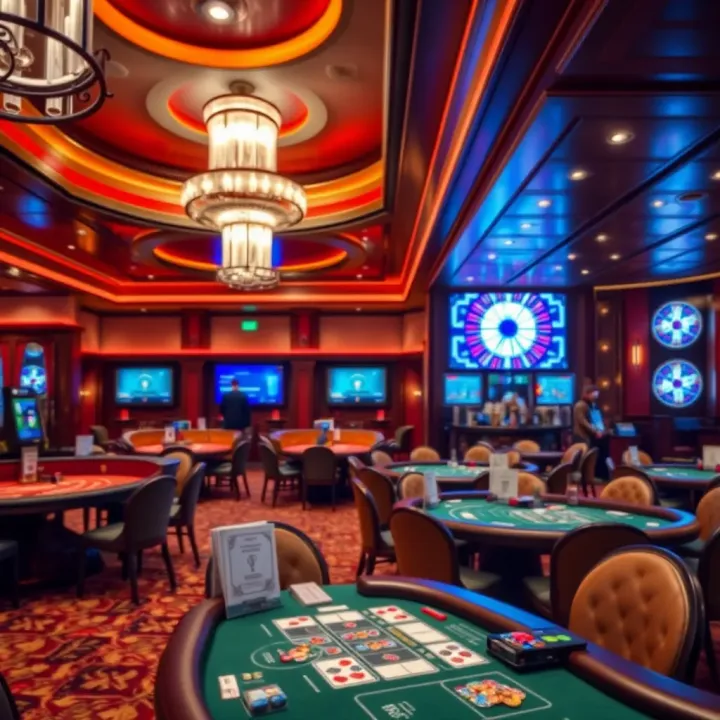
Visitors can expect a variety of games, from classic table favourites like roulette and blackjack to the latest slot machines. Some venues also offer poker tournaments, drawing in both locals and tourists aiming to test their skills.
Understanding the legal framework is key before diving in. Italy regulates land-based gambling tightly, requiring all operators to have licences granted under national and regional laws. Rome’s casinos operate under these strict rules, which means players enjoy a safer, fairer gambling experience but must also comply with age restrictions and identification checks.
In this guide, we’ll cover the must-know facts about Rome’s casino venues, highlight the types of games you’ll find, and offer tips for making the most of your visit.
If you’re eyeing a spin at the tables or fancy giving the pokies a whirl, knowing what’s on offer and the rules around gambling in Rome will definitely improve your chances of a good time — and keep you on the right side of the law.
By the end, you’ll be better equipped to choose where to have a go, what games suit your style, and how to enjoy Rome’s gambling scene without any surprises.
Understanding the history and development of casinos in Rome provides useful background for anyone interested in the current gambling scene. The city's rich gambling traditions show how betting evolved from casual community games to formal establishments, shaping Rome’s unique casino culture today. This context helps gamblers, managers, and marketers appreciate how long-standing customs and legal frameworks influence present-day experiences.
In ancient Rome, gambling was a popular pastime largely tied to social gatherings and festivals. Games like "tesserae" (dice), betting on gladiatorial contests, and race wagering were commonplace. These activities weren’t just about luck — they were social rituals that brought communities together. Some Romans even used betting as a way to settle disputes or show skill and bravado, highlighting gambling's deep roots in Roman culture.
These early practices reveal that gambling was always more than just chance; it was woven into social and entertainment life.
While early gambling mostly took place in informal settings such as private homes or public festivals, over time, more structured venues began to appear. This gradual shift was influenced by the need for regulation and taxation, as well as a desire to move away from secretive or illegal gambling. Though Rome didn’t have modern casinos at that time, these changes laid groundwork for legalised gaming spaces centuries later.
The 1900s marked a turning point with the introduction of dedicated gaming halls and casinos, not just in Rome but across Italy. This period saw the spread of slot machines, roulette wheels, and card tables into venues designed explicitly for gambling. Rome's location as Italy’s capital made it an important centre for these developments. For example, the Casinò Municipale operated briefly, setting a precedent for legal gaming environments that balanced entertainment with oversight.
Italy's stringent gambling laws have shaped Rome’s casino scene significantly. The 20th century introduced licensing systems, age restrictions, and compliance measures that today govern where and how betting and gaming take place. For instance, the AAMS (Agenzia delle Dogane e dei Monopoli) regulates casinos to ensure fairness and prevent illegal activity. For visitors and operators alike, understanding these rules is vital — they ensure gaming is safe and legal, while protecting players’ rights.
The legal framework not only controls access but also promotes responsible gambling, making Rome’s casino industry more transparent and trustable.
This history sheds light on why current casinos operate as they do, reflecting centuries of evolving practices and law. For gamblers and industry professionals, this means respecting traditions while navigating modern regulations and opportunities in Rome’s national casino scene.
Understanding the landscape of national casino venues in Rome is key for anyone interested in gambling in the city. From major gaming halls to niche boutique spots, knowing what’s out there helps you pick the right venue that fits your style and budget. Whether you’re a seasoned punter or a curious visitor, this section outlines what makes Rome’s casinos stand out and what practical points to keep in mind.
Profiles of Notable Casinos
Rome boasts several prominent casinos that cater to a wide range of gaming interests. The Casino di Villa Sirene, for instance, has earned a reputation for its grand interior and extensive table games like roulette and blackjack. Meanwhile, Casino di Palazzo Venezia strikes a balance between traditional gambling tables and the latest slot machine technology, drawing a loyal crowd of locals and tourists alike. These venues often offer comprehensive facilities, including bars, restaurants, and VIP lounges, enhancing the overall experience.
Knowing about these well-established casinos allows visitors to plan their visit better, ensuring access to reputed venues with reliable services. For casino managers and marketers, these spots are benchmarks for service quality and customer expectations.
Location and Accessibility
Major casinos in Rome tend to be clustered near central hubs or tourist hotspots, making them relatively easy to reach. For example, Casino di Villa Sirene is conveniently located near the Termini station, offering straightforward access by public transport. This strategic placement attracts both locals who prefer quick visits and tourists who want to combine gambling with sightseeing.
Accessibility considerations aren’t just about transport; parking availability and operating hours also factor in. Being aware of these practical aspects can save time and reduce hassle, especially during peak tourist seasons.
Unique Features and Specialties
Boutique casinos in Rome often focus on niche markets or themes, providing an experience that's quite distinct from large casinos. Take, for instance, Il Salotto del Giocatore — a smaller venue known for hosting exclusive poker nights with a limited number of participants, giving it a more intimate and personalised atmosphere. Some also offer vintage arcade games alongside classic casino options, creating a blend of nostalgia and traditional gambling.
These establishments cater to visitors seeking something off the beaten track, perhaps looking for quieter environments or specialised events. Game developers and marketers might find these venues interesting for trialling new game concepts or niche promotions.
What Sets Them Apart
Beyond just size, boutique casinos often put extra effort into customer service, decor, and unique amenities. Smaller floor spaces translate to more attentive staff and a tight-knit community feel. For example, La Tana dei Giocatori differentiates itself by featuring local art displays and hosting monthly themed events, which becomes a draw for regular clientele.
This personal touch can make all the difference for patrons who might find large casinos overwhelming or impersonal. For anyone managing or marketing a smaller venue, these elements are crucial selling points that build loyalty and word-of-mouth recommendations.
When exploring the casino options in Rome, consider not only the size and game selection but also how accessible the venue is and what sort of atmosphere you prefer. Each casino offers a different slice of the gambling scene worth experiencing.
When exploring Rome's casinos, understanding the games and entertainment available is key. They shape the overall experience, catering to both seasoned gamblers and casual visitors keen to enjoy the atmosphere.
Classic Games Available
Table games remain the heart of most casinos. In Rome, you'll find the usual favourites like blackjack, roulette, and baccarat, each offering different styles and rules to suit various preferences. For instance, roulette tables often come in both European and French versions, which differ slightly but are popular among locals and tourists alike. These games offer a social and strategic element that's hard to beat.
Modern Slot Machines and Variations
Alongside traditional table games, modern slot machines have taken a front seat. Rome’s casinos feature a mix of classic reels and newer video slots that include innovative themes and bonus rounds. Many of these slot machines link to progressive jackpots, providing the thrill of chasing larger prizes. For players who enjoy quicker, straightforward gaming, slots offer a solid choice with a variety of stakes and payouts.
Live Shows and Dining Options
Casinos in Rome often double as entertainment hubs. Many venues host live music, cabaret acts, or DJ nights to keep the energy up beyond the gaming floor. This adds value for visitors looking for a full night out rather than just gambling. Dining is also a highlight, with some casinos offering everything from casual cafes to Michelin-starred restaurants. This mix ensures visitors can relax and dine in style, enhancing the overall experience.
Events and Tournaments
For those who like a bit of competition, many casinos organise events and poker tournaments. These range from small weekly games to larger seasonal contests that attract players from across Italy and beyond. Participating in tournaments can offer better odds and the chance to rub shoulders with pros, making it worthwhile for serious punters. Plus, events often bring a buzz to the venue that casual players will find engaging.
Whether you’re testing your luck at the tables or enjoying live entertainment, Rome's casinos provide a well-rounded experience catering to diverse tastes and skill levels.
Understanding the legal framework and regulatory environment is key for anyone planning to visit or operate within Rome's casino scene. These laws shape how casinos function, ensure fair play, and protect both the operators and players. Being aware of the rules can help visitors avoid surprises and make informed decisions.
Casinos in Italy, including those in Rome, must obtain licences from the Agenzia delle Dogane e dei Monopoli (ADM), the body responsible for regulating gambling activities. This ensures that casinos operate within strict guidelines covering fairness, security, and financial responsibility. For example, operators are required to install certified gaming machines and submit to regular audits. This licensing system protects players from unregulated venues and reduces the risk of fraud.
Italian law strictly prohibits gambling for anyone under 18. Casinos in Rome enforce ID checks rigorously at entry points to comply. On top of this, there are various responsible gambling measures in place, such as limits on betting amounts, mandatory self-exclusion options, and access to support services for problem gamblers. These steps aim to make sure gambling remains a controlled and enjoyable activity, rather than one leading to harm.
Non-residents can freely access licensed casinos in Rome, but they must prove their age and identity, usually with a passport. Visitors won’t need to register with a special gaming authority in Italy beforehand. However, it's wise to check any restrictions based on your home country, as some national laws might affect your ability to participate or reclaim winnings. For example, some countries have rules on declaring foreign gambling earnings.
Unlike certain other countries, Italy generally does not tax casino winnings for foreign players at the point of cashout. Winnings from licensed Rome casinos are usually paid tax-free to the player. That said, Australian visitors should be mindful of the ATO guidelines on declaring overseas gambling income, especially for significant amounts. Being prepared on this front avoids awkward situations with tax authorities after returning home.
Knowing the legal landscape means you can enjoy your time at Rome’s casinos without unexpected hiccups. It's always better to come informed about licensing, age rules, and tax issues before placing your bets.
Overall, adherence to Italy’s legal framework assures visitors a secure gambling environment with clear rules, while protecting the integrity of Rome’s national casino scene.
Navigating Rome's casino scene can be a rewarding experience, but being prepared makes all the difference. This section focuses on practical advice to help you avoid unnecessary hassles and enjoy a smooth visit. From dress codes to handling money, knowing what to expect lets you relax and focus on the games.
Entry Requirements and Dress Codes
Most casinos in Rome set a clear standard for entry. You'll usually need to be at least 18 years old and carry a valid ID, such as a passport. Some venues might check your ID more strictly, so always have it handy. As for dress codes, while not every casino demands formal attire, it's common for establishments—especially the bigger or more prestigious ones—to expect smart casual or better. Jeans with a neat shirt usually pass muster, but track pants and flip-flops won't get you through the door. Dressing appropriately not only respects the venue's culture but can also affect how staff treat you.
Currency and Payment Methods
Euro is the currency to carry for all gaming in Rome. While some casinos might accept card payments for food or drinks, gaming tables and slot machines generally require chips or tokens bought on site with cash or debit cards. ATMs are often available, but they may charge fees, so it's wise to convert enough euros beforehand. For visitors from overseas, exchanging money at currency bureaux in central Rome or your local bank beforehand is a safer bet than relying entirely on casino facilities. Keep in mind that Italy doesn’t widely accept foreign credit cards for gambling transactions, so cash remains king.
Setting Limits and Staying Responsible
Playing it smart means setting clear limits for your spending and time. Many casinos provide tools for responsible gambling, like self-exclusion services or limit-setting options. Before you start, decide how much you’re happy to lose and stick to it, no matter what happens at the tables. The thrill can be addictive, so pacing yourself and taking regular breaks helps keep the experience enjoyable. Remember, the aim is entertainment—not chasing losses.
Understanding Local Customs and Etiquette
Casino culture in Rome mixes traditional elegance with a friendly, relaxed vibe. When at the tables, wait for the dealer’s invitation before placing bets, and avoid touching your cards if it’s a game of poker or blackjack. Italian players often engage in lively chat, so don’t be shy to join in, but keep it polite and respectful. Tipping the dealer is common when you win, usually a small chip or two. Watching how locals behave can give you cues on when and how to tip. Also, phones are often discouraged on the gaming floor to maintain concentration and respect for other players.
Bringing the right mindset and respecting local rules makes your time in Rome’s casinos both hassle-free and memorable. Practical preparation ensures you enjoy the thrill without the stress.
🎲 Explore National City's vibrant casino scene with top venues, gaming types, local rules, amenities & tips for safe, fun gambling experiences! 💰

🎰 Discover national casinos offering no deposit bonuses in Australia. Learn how to spot trusted sites, navigate offers, and gamble responsibly for a safe, fair go.

Get practical tips for camping near national park casinos 🎲🏕️ Discover site options, local rules & how to enjoy both nature and nightlife in one trip.

Discover casinos close to Yosemite National Park 🎰 Enjoy gaming, comfy stays, and nearby attractions plus tips for safe gambling on your Aussie-style adventure 🌿
Based on 9 reviews